Welcome to Wound-Care

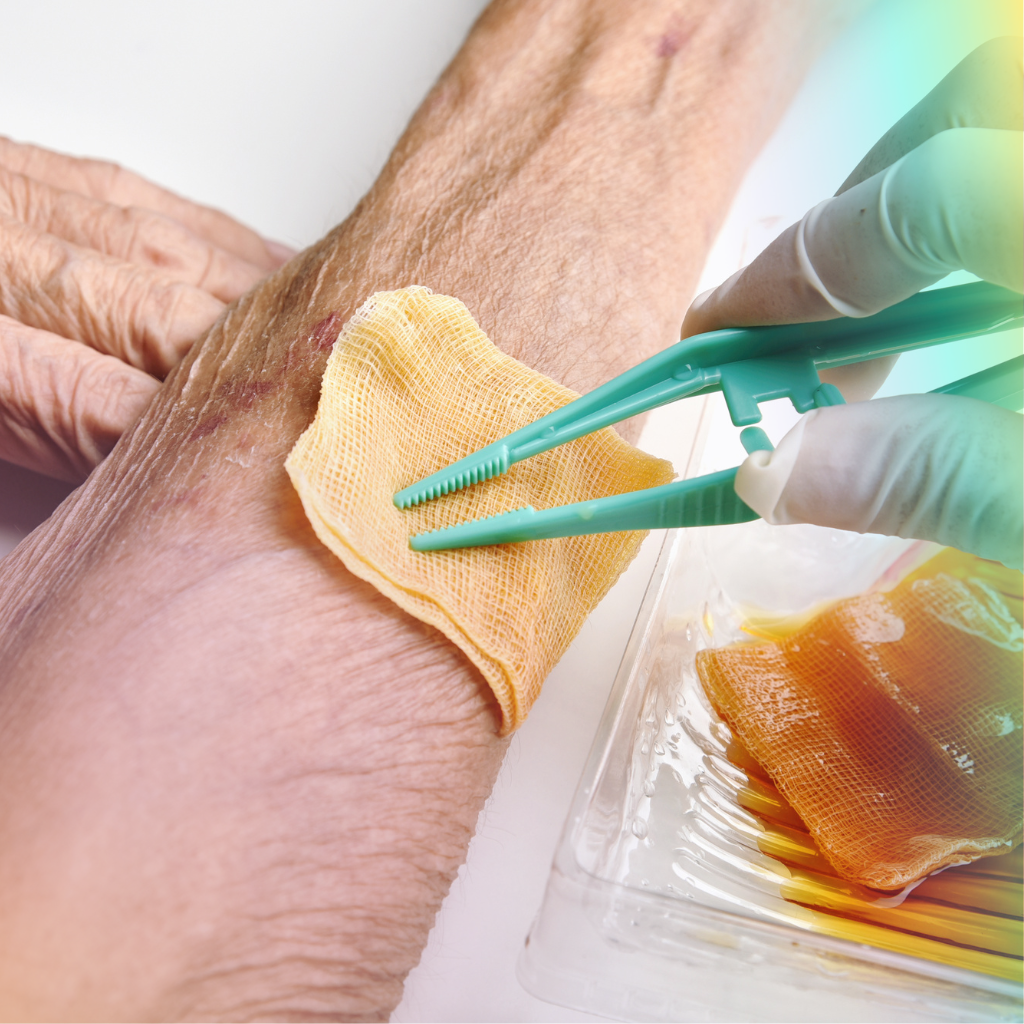
Best Wound Dressings for Faster Healing (2026 Guide)
15 Mar 2026
By
Mahesh Shah
Choosing the right wound dressing is one of the most important factors affecting how quickly a wound heals. Modern wound care research shows that dressings designed to maintain moisture, absorb exudate, and protect against infection significantly improve healing outcomes compared with traditional dry gauze.
In this comprehensive guide, you’ll learn:
-
The best wound dressings in 2026
-
When to use each dressing type
-
Evidence-based tips to accelerate healing
-
Which dressings healthcare professionals recommend
This article is structured to help both home users and healthcare professionals choose the best wound dressing for faster recovery.
Why the Right Wound Dressing Matters
Modern wound care focuses on moist wound healing rather than letting wounds dry out. Maintaining a balanced moisture level allows cells to regenerate faster and reduces tissue damage.
Advanced dressings also:
-
Absorb wound fluid (exudate)
-
Protect against bacteria
-
Reduce pain during dressing changes
-
Prevent damage to surrounding skin
Some clinical reviews show that foam and hydrocolloid dressings have strong evidence for improving healing outcomes in chronic wounds, while hydofiber dressings may help speed healing in acute wounds.
The 7 Best Types of Wound Dressings for Faster Healing
Below are the most commonly used advanced wound dressings recommended in modern wound care.
1. Foam Dressings (Best for Moderate to Heavy Exudate)
Foam dressings are among the most widely used wound care products in hospitals and community healthcare.
They are typically made from polyurethane foam that absorbs wound fluid while maintaining a moist healing environment.
Key Benefits
-
High absorbency for wound fluid
-
Cushioning protection
-
Maintains ideal moisture balance
-
Can stay in place for several days
Foam dressings can often remain on the wound for several days depending on fluid levels, reducing dressing change frequency.
Best for
-
Pressure ulcers
-
Leg ulcers
-
Surgical wounds
-
Moderate to heavily exuding wounds
✔ Recommended product
Kliniderm Superabsorbent Dressing
https://wound-care.co.uk/kliniderm-superabsorbant-dressing.html
2. Hydrocolloid Dressings (Best for Shallow Wounds)
Hydrocolloid dressings are gel-forming dressings that create a protective moist environment over the wound.
When they absorb wound fluid, they form a soft gel layer that supports healing and protects tissue.
Key Benefits
-
Encourages faster skin regeneration
-
Waterproof barrier against bacteria
-
Can remain in place for several days
Best for
-
Minor burns
-
Pressure sores
-
Superficial wounds
-
Post-surgical wounds
However, hydrocolloids are not suitable for heavily draining wounds.
✔ Recommended product
Granuflex Hydrocolloid Dressings
https://www.wound-care.co.uk/hydrocolloid-granuflex.html
Duoderm Hydrocolloid Dressings
https://www.wound-care.co.uk/dressings/hydrocolloid-duoderm.html
Hydrocolloid dressings form a gel when in contact with wound fluid, helping maintain a moist healing environment.
3. Alginate Dressings (Best for Heavily Draining Wounds)
Alginate dressings are made from natural seaweed fibres that transform into a gel when they come into contact with wound fluid.
These dressings can absorb large amounts of exudate, making them ideal for wet wounds.
Key Benefits
-
Extremely high absorbency
-
Helps control bleeding
-
Maintains moist wound environment
Best for
-
Deep wounds
-
Venous leg ulcers
-
Diabetic foot ulcers
-
Surgical wounds
✔ Recommended product
Urgosorb Alginate Dressing
https://www.wound-care.co.uk/urgosorb-dressings.html
Alginate dressings form a gel when exposed to exudate, supporting moist wound healing.
4. Hydrogel Dressings (Best for Dry Wounds)
Hydrogel dressings contain high water content designed to hydrate dry or necrotic wounds.
They also help with autolytic debridement, meaning they assist the body in naturally removing dead tissue.
Key Benefits
-
Rehydrates dry tissue
-
Reduces wound pain
-
Supports natural healing processes
Best for
-
Dry wounds
-
Burns
-
Necrotic wounds
-
Radiation skin damage
✔ Recommended product
Aquaform Hydrogel Dressings
https://wound-care.co.uk/aquaform-hydrogel-dressings.html
Hydrogel dressings help maintain a moist environment while preventing dry wounds from dehydrating further.
5. Transparent Film Dressings (Best for Minor Wounds)
Transparent film dressings are thin adhesive coverings that protect wounds while allowing oxygen to pass through.
They also allow visual monitoring without removing the dressing.
Key Benefits
-
Waterproof barrier
-
Breathable membrane
-
Easy wound inspection
Best for
-
Minor cuts
-
IV sites
-
Superficial wounds
✔ Recommended product
Tegaderm Film Dressings
https://www.wound-care.co.uk/tegaderm-hydrocolloid-dressings.html
These dressings provide a waterproof and breathable protective barrier.
6. Silver Dressings (Best for Infection Risk)
Silver-impregnated dressings contain antimicrobial silver that helps reduce bacterial growth in wounds.
Key Benefits
-
Antimicrobial protection
-
Reduces infection risk
-
Useful in chronic wounds
Best for
-
Infected wounds
-
High-risk surgical wounds
-
Diabetic ulcers
✔ Recommended product
ActivHeal Aquafiber Ag Antimicrobial Dressing
https://wound-care.co.uk/activheal-aquafiber-ag-dressings-15cm-x-15cm-pack-size-5.html
Silver ions released from the dressing help combat bacteria and maintain a moist healing environment.
7. Honey Dressings (Natural Antibacterial Option)
Medical-grade honey dressings have antimicrobial and anti-inflammatory properties.
Clinical wound care reviews show honey can help reduce bacterial load and support healing.
Best for
-
Burns
-
Chronic wounds
-
Infected wounds
Honey dressings are commonly used in both hospitals and community wound care.
How to Choose the Right Wound Dressing
The best dressing depends on several factors:
1. Amount of Wound Fluid
|
Fluid Level |
Recommended Dressing |
|
Low |
Hydrocolloid or film |
|
Moderate |
Foam dressing |
|
Heavy |
Alginate or hydofiber |
2. Wound Depth
-
Superficial wounds: Hydrocolloid or film
-
Deep wounds: Alginate or foam
3. Infection Risk
If infection is suspected, antimicrobial dressings such as silver or honey dressings may be used.
Tips to Help Wounds Heal Faster
Along with using the correct dressing, these practices help accelerate healing:
✔ Keep the wound clean
✔ Maintain a moist environment
✔ Change dressings appropriately
✔ Eat a protein-rich diet
✔ Avoid smoking
Proper wound management significantly reduces healing time and lowers the risk of infection.
When to Seek Medical Advice
Consult a healthcare professional if:
-
The wound shows signs of infection
-
There is excessive redness or swelling
-
Healing does not improve after 7–10 days
-
The wound is deep or caused by an animal bite
Early intervention helps prevent complications.
✅ Explore the full range of advanced dressings:
https://www.wound-care.co.uk