Welcome to Wound-Care

Essential Wound Care & Management Guide: Heal Faster, Protect Better, Prevent Complications
1 Dec 2025
By
Mahesh Shah
Proper wound care isn’t just important—it’s essential for preventing infection, minimizing scarring, and promoting rapid healing. Whether you're a healthcare provider, caregiver, or someone managing wounds at home, understanding effective wound management can make all the difference in recovery outcomes.
In this guide, we’ll break down evidence-based practices, expert tips, and best-step approaches for keeping wounds clean, safe, and healing optimally.
What Is Wound Management?
Wound management is the process of assessing, cleaning, dressing, and monitoring a wound to ensure proper healing.
This includes:
- Preventing or controlling infection
- Protecting the wound from further injury
- Promoting the body’s natural healing processes
- Reducing pain and improving comfort
- Preventing long-term scarring or complications
Different wounds require different care—so proper assessment is always the first step.
Types of Wounds and How They Heal
Understanding the wound type helps determine the best treatment strategy.
- Acute Wounds
These heal quickly with proper care. Examples:
- Cuts and lacerations
- Burns
- Surgical incisions
- Abrasions
Healing time: Days to weeks.
- Chronic Wounds
These fail to progress through normal healing stages. Examples:
- Diabetic ulcers
- Pressure ulcers (bedsores)
- Venous leg ulcers
Healing time: Weeks to months and require specialized medical attention.
Step-by-Step Guide: How to Care for a Wound Properly
- Wash Your Hands
Always clean hands thoroughly with soap and water or an alcohol-based sanitizer.
- Stop the Bleeding
Apply gentle pressure with sterile gauze.
If bleeding doesn't stop within 10–15 minutes, seek medical help.
- Clean the Wound
Rinse the wound under clean running water.
Avoid hydrogen peroxide or alcohol—they can damage healthy tissue.
Use:
- Saline solution
- Mild soap around, not inside, the wound
- Apply an Antiseptic
Use an appropriate ointment or antiseptic recommended by healthcare providers.
- Dress the Wound Properly
Choose the right dressing:
- Non-stick gauze for minor cuts
- Hydrocolloid for blisters & shallow wounds
- Alginate or foam dressings for deeper or draining wounds
Keep the area moist—not dry—for faster healing.
- Change Dressings Regularly
Follow these guidelines:
- Once daily, or
- When bandage becomes wet/dirty
Signs of infection require immediate care.
When to Seek Medical Help
Seek professional care if you notice:
- Increasing redness or warmth
- Pus or unusual discharge
- Fever or chills
- Wound edges separating
- Persistent pain
- Black, blue, or foul-smelling tissue
- No healing progress after 7–10 days
Wounds caused by bites, dirty objects, or deep punctures often require antibiotics or tetanus shots.
Tips for Faster Healing
- Maintain a healthy diet rich in protein, zinc, vitamin C, and iron
- Avoid smoking (slows down tissue repair)
- Stay hydrated
- Keep pressure off wounds, especially on the feet
- Monitor blood sugar if diabetic
Conclusion: The Key to Better Healing
Effective wound management is all about early action, cleanliness, and choosing the right treatment. Whether caring for a simple cut or managing a chronic ulcer, the right steps can make healing faster and safer.
Recommended Products on Wound-Care.co.uk
Here are several types of dressings and supplies — and when they’re most useful. All are available through Wound-Care.co.uk’s wide catalogue. Wound Care+1
|
Purpose / Wound Type |
Recommended Product(s) |
|
Minor cuts, abrasions, shallow wounds (low drainage) |
“Adaptic Touch” Dressings — gentle non-adherent contact layer, good for delicate skin or minor injuries. Wound Care |
|
Moderate-to-light exudate wounds, blisters, partial-thickness wounds |
Hydrocolloid-type dressings such as “Allevyn Gentle / Border” — maintain moist healing, cushion the wound, protect against friction. Wound Care+1 |
|
Wounds with moderate to heavy drainage / fluid exudate (e.g. venous ulcers, post-surgical drainage) |
Alginate dressings (e.g. “Activheal Alginate”), or foam dressings — absorb fluid, reduce risk of maceration. Wound Care+1 |
|
At risk of infection or already contaminated wounds |
Antimicrobial / silver-impregnated dressings (e.g. “Activheal Aquafiber Ag”, “Algivon”) — help reduce bacterial load and manage infection. Wound Care+1 |
|
Fragile skin, sensitive patients, frequent dressing changes needed |
Non-adhesive foam or silicone-border dressings — easier, less painful removal; suitable for elderly or sensitive skin. Wound Care+1 |
|
Everyday first-aid and basic wound care kit items (gauze, dressings, bandages) |
Standard sterile gauze, dressings, wipes, adhesive so on — useful for initial cleaning, covering minor injuries, or as backup supplies. Wound Care+1 |
Build a Basic Home Wound-Care Kit
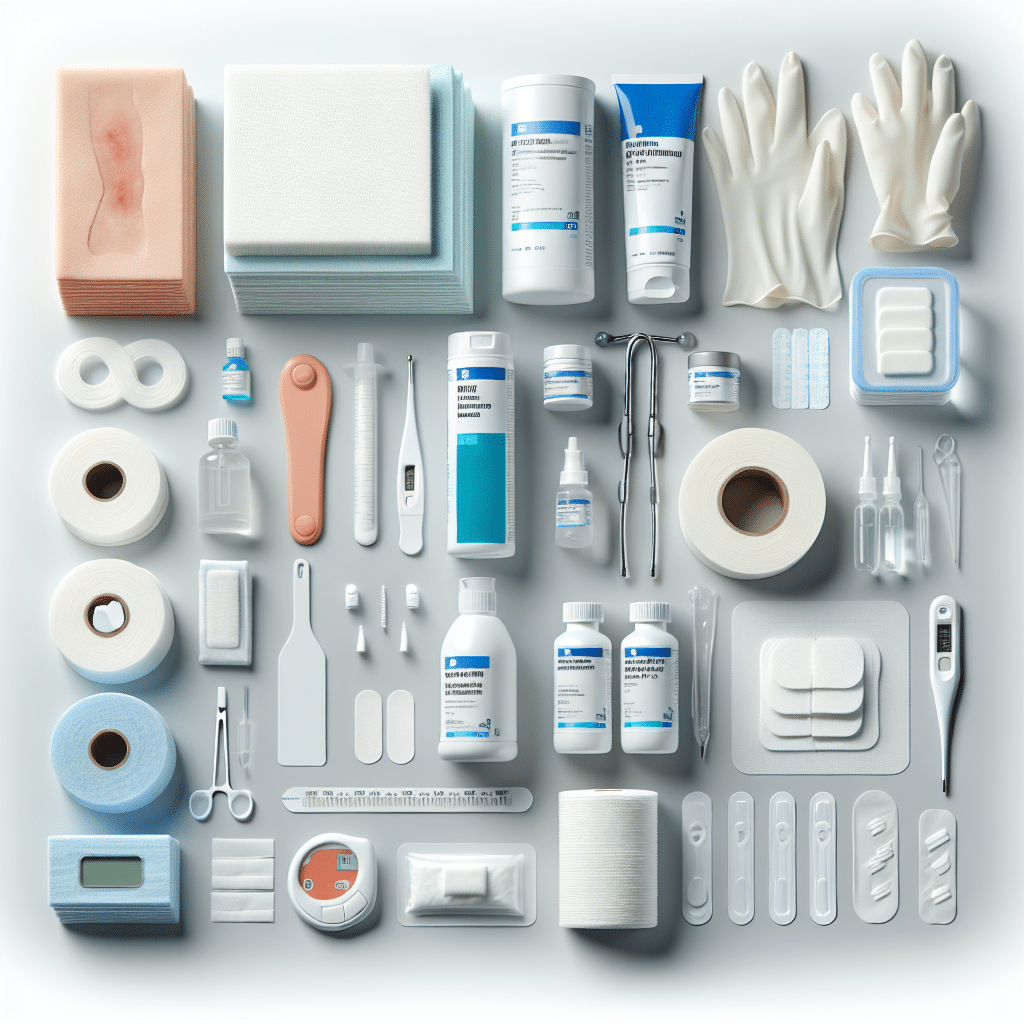
To be prepared for common wounds and injuries, it’s smart to keep a small kit on hand. On Wound-Care.co.uk, you could easily assemble a home wound-care pack including:
- Sterile gauze and basic dressings (for cuts / abrasions)
- Non-adhesive or silicone-contact dressings (for sensitive skin / frequent changes)
- Absorbent dressings (for draining wounds)
- Antimicrobial / silver dressings (for wounds at risk of infection)
- Adhesive tape / fixation bandages — for securing dressings
This ensures you’re prepared for everything from everyday scrapes to more serious wounds needing extended care.