Welcome to Wound-Care

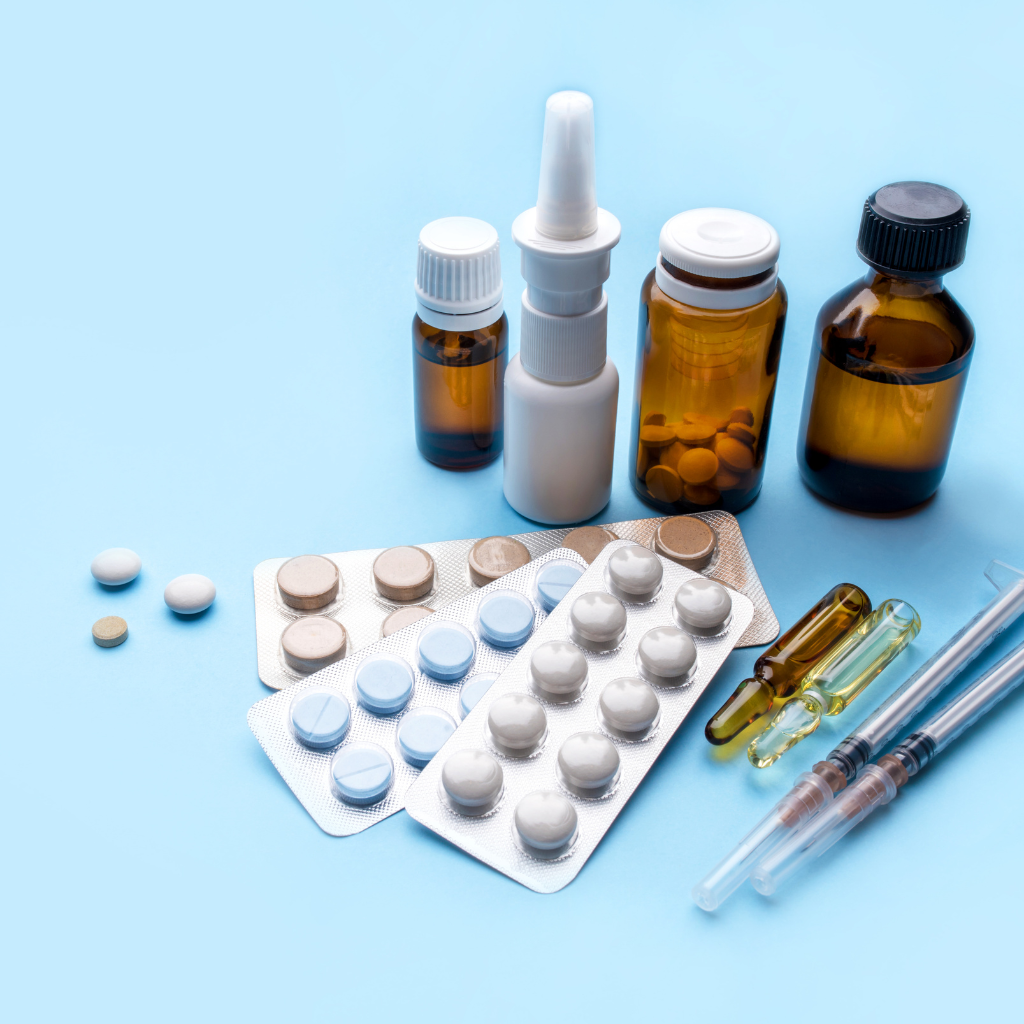
Understanding the Critical Link Between Pharmacology and Wound Healing
25 Jul 2026
By
J Ghoniya - Pharmacist
Wound care has evolved far beyond simply cleaning and dressing injuries. Modern wound management requires healthcare professionals to understand the many factors that influence healing, including infection control, nutrition, underlying medical conditions, and one often-overlooked area: pharmacology.
Whether you're a nurse, tissue viability specialist, podiatrist, pharmacist, or healthcare student, understanding how medications interact with the wound healing process is essential for delivering safe, evidence-based care.
In this article, we'll explore what pharmacology means in the context of wound care, why it matters, and how medication knowledge can significantly improve patient outcomes.
________________________________________
What Is Pharmacology?
Pharmacology is the scientific study of how medicines work within the body. It examines:
• How drugs are absorbed, distributed, metabolised, and eliminated (pharmacokinetics)
• How drugs produce their effects on cells, tissues, and organs (pharmacodynamics)
• Drug interactions
• Side effects
• Appropriate dosing
• Safe medication administration
Within wound care, pharmacology focuses on understanding how medications can either promote, delay, or complicate wound healing.
________________________________________
Why Pharmacology Matters in Wound Care
Every wound tells a story—but medications often explain why that story unfolds the way it does.
Patients with chronic wounds are frequently taking multiple medications for conditions such as:
• Diabetes
• Cardiovascular disease
• Autoimmune disorders
• Cancer
• Chronic pain
• Respiratory disease
Many of these medications directly influence tissue repair, inflammation, blood flow, immune response, and infection risk.
Without a solid understanding of pharmacology, clinicians may overlook important factors contributing to delayed healing.
________________________________________
Medications That Can Delay Wound Healing
Several commonly prescribed medicines are known to affect the normal stages of wound healing.
Corticosteroids
Long-term corticosteroid use suppresses inflammation and reduces collagen synthesis.
Potential effects include:
• Slower inflammatory response
• Reduced wound strength
• Delayed epithelialisation
• Increased infection risk
Examples include:
• Prednisolone
• Dexamethasone
• Hydrocortisone
________________________________________
Anticoagulants
Blood-thinning medications are vital for preventing clots but may increase bleeding and bruising around wounds.
Common examples:
• Warfarin
• Apixaban
• Rivaroxaban
• Dabigatran
Clinicians must carefully balance bleeding risks against thrombosis prevention.
________________________________________
Chemotherapy Drugs
Cancer treatments target rapidly dividing cells—which unfortunately includes healthy cells involved in tissue repair.
Patients receiving chemotherapy often experience:
• Delayed healing
• Increased infection risk
• Reduced immune function
• Fragile skin
________________________________________
Immunosuppressants
Drugs prescribed following organ transplantation or for autoimmune disease suppress the immune response required for effective healing.
Examples include:
• Tacrolimus
• Ciclosporin
• Methotrexate
• Azathioprine
________________________________________
NSAIDs
Non-steroidal anti-inflammatory drugs (NSAIDs) may interfere with early inflammatory processes that initiate wound healing.
Examples include:
• Ibuprofen
• Naproxen
• Diclofenac
Although evidence varies depending on dose and duration, clinicians should remain aware of their potential effects.
________________________________________
Medications That Support Wound Healing
Not every medication delays healing.
Many pharmaceutical treatments actively improve wound outcomes.
Examples include:
Antibiotics
Used to treat bacterial wound infections when clinically indicated.
Examples:
• Flucloxacillin
• Doxycycline
• Co-amoxiclav
Antibiotic stewardship remains essential to reduce antimicrobial resistance.
________________________________________
Topical Antimicrobials
Modern wound dressings may contain antimicrobial agents such as:
• Silver
• Iodine
• Polyhexamethylene biguanide (PHMB)
• Medical-grade honey
These products help manage local bioburden while supporting optimal healing conditions.
________________________________________
Diabetes Medications
Effective blood glucose control is one of the strongest predictors of successful wound healing.
Medications such as insulin and oral hypoglycaemics help maintain an environment that supports tissue repair.
________________________________________
Understanding Polypharmacy
Many patients with chronic wounds take five or more medications daily—a situation known as polypharmacy.
Polypharmacy increases the likelihood of:
• Drug interactions
• Medication errors
• Reduced adherence
• Side effects affecting healing
Healthcare professionals should routinely perform medication reviews to identify medicines that may influence wound progression.
________________________________________
Pharmacology and Infection Management
Medication knowledge is especially important when managing wound infections.
Clinicians should understand:
• Appropriate antibiotic selection
• Spectrum of antimicrobial activity
• Allergies
• Resistance patterns
• Correct dosing
• Treatment duration
Overprescribing antibiotics contributes to antimicrobial resistance, making evidence-based prescribing more important than ever.
________________________________________
Pain Management in Wound Care
Pain can significantly delay wound healing by increasing stress hormone production and reducing patient mobility.
Pharmacology helps clinicians understand appropriate use of:
• Paracetamol
• NSAIDs
• Opioids
• Local anaesthetics
• Topical analgesic preparations
Effective pain control improves dressing tolerance, patient comfort, and overall quality of life.
________________________________________
Pharmacology Supports Holistic Wound Assessment
Medication review should form part of every comprehensive wound assessment.
Healthcare professionals should ask:
• What medications is the patient taking?
• Have any medicines recently changed?
• Are there drugs affecting circulation?
• Are immunosuppressants present?
• Is diabetes well controlled?
• Could medication side effects explain delayed healing?
This broader clinical picture allows more informed treatment decisions.
________________________________________
The Role of Pharmacology in Advanced Wound Care
As wound care technologies continue to evolve, pharmacology becomes increasingly important.
Emerging therapies include:
• Growth factor treatments
• Biologic dressings
• Stem cell therapies
• Antimicrobial peptides
• Targeted anti-inflammatory medications
Understanding the mechanisms behind these treatments enables clinicians to select appropriate therapies and optimise patient outcomes.
________________________________________
Education Improves Clinical Decision-Making
For nurses and allied healthcare professionals, pharmacology education strengthens confidence in:
• Medication safety
• Clinical assessment
• Infection management
• Recognising adverse drug reactions
• Identifying delayed healing factors
• Collaborating with pharmacists and prescribing clinicians
Medication knowledge ultimately contributes to safer, more effective, patient-centred care.
________________________________________
Key Takeaways
Pharmacology is a fundamental component of modern wound care. Medications can influence every stage of healing—from inflammation and tissue repair to infection control and pain management.
Healthcare professionals who understand pharmacology are better equipped to recognise barriers to healing, optimise treatment plans, reduce complications, and improve patient outcomes.
As the complexity of wound management continues to grow, integrating pharmacological knowledge into everyday clinical practice is no longer optional—it is essential.
________________________________________
Frequently Asked Questions (FAQs)
What is pharmacology in wound care?
Pharmacology in wound care is the study of how medications affect wound healing, infection management, pain control, and tissue repair. It helps healthcare professionals make safe, evidence-based treatment decisions.
Which medications can slow wound healing?
Common medications that may delay wound healing include corticosteroids, chemotherapy drugs, immunosuppressants, anticoagulants, and some non-steroidal anti-inflammatory drugs (NSAIDs), depending on the clinical situation.
Why is medication review important in wound management?
A medication review helps identify drugs that may impair healing, interact with wound treatments, or increase the risk of complications such as bleeding or infection. Regular reviews are particularly important for patients taking multiple medications.
Can medications improve wound healing?
Yes. Appropriate use of antibiotics, diabetes medications, topical antimicrobials, and effective pain management can all support wound healing when used as part of an evidence-based treatment plan.
Who should understand pharmacology in wound care?
Pharmacology knowledge is valuable for nurses, tissue viability specialists, podiatrists, pharmacists, doctors, healthcare assistants, and students involved in wound management.
________________________________________
Medical Disclaimer
This content is for informational purposes only and does not replace professional medical advice. Always consult a qualified healthcare professional for diagnosis and treatment.